The Customizable Portions Project is a Georgetown-led research initiative that makes a data-driven case for rethinking portion size as a strategy to cut waste, improve financial margins, and better meet evolving consumer demand.
Attend the April 1 Event
Attend the in-person campus event presenting new research on front-of-house plate waste and portion design. The program will feature the newly released industry white paper followed by a moderated discussion on the operational and financial implications for restaurant operators.
Food waste is a significant and costly challenge for the U.S. foodservice industry, driven largely by front-of-house plate waste—food sold but not consumed—despite many reduction efforts targeting back-of-house and supply chain optimization. Portion customization presents a key solution, offering untapped potential to enhance profitability, support sustainability goals, and improve customer satisfaction. Historically, restaurants have concentrated food waste efforts on back-of-house operations, but the research suggests that front-of-house plate waste represents a major blind spot.
12.7 million tonssurplus foodgenerated by foodservice operators in 2023 alone
64.6 million metric tons carbon emissionscontributed by excess food
$162 billionwaste-related coststo foodservice operators including food, packaging, labor, and disposal
Just 20%of operators tracking front-of-house wasteOnly 1 in 5 surveyed operators are tracking what customers leave behind on their plates
About the Research
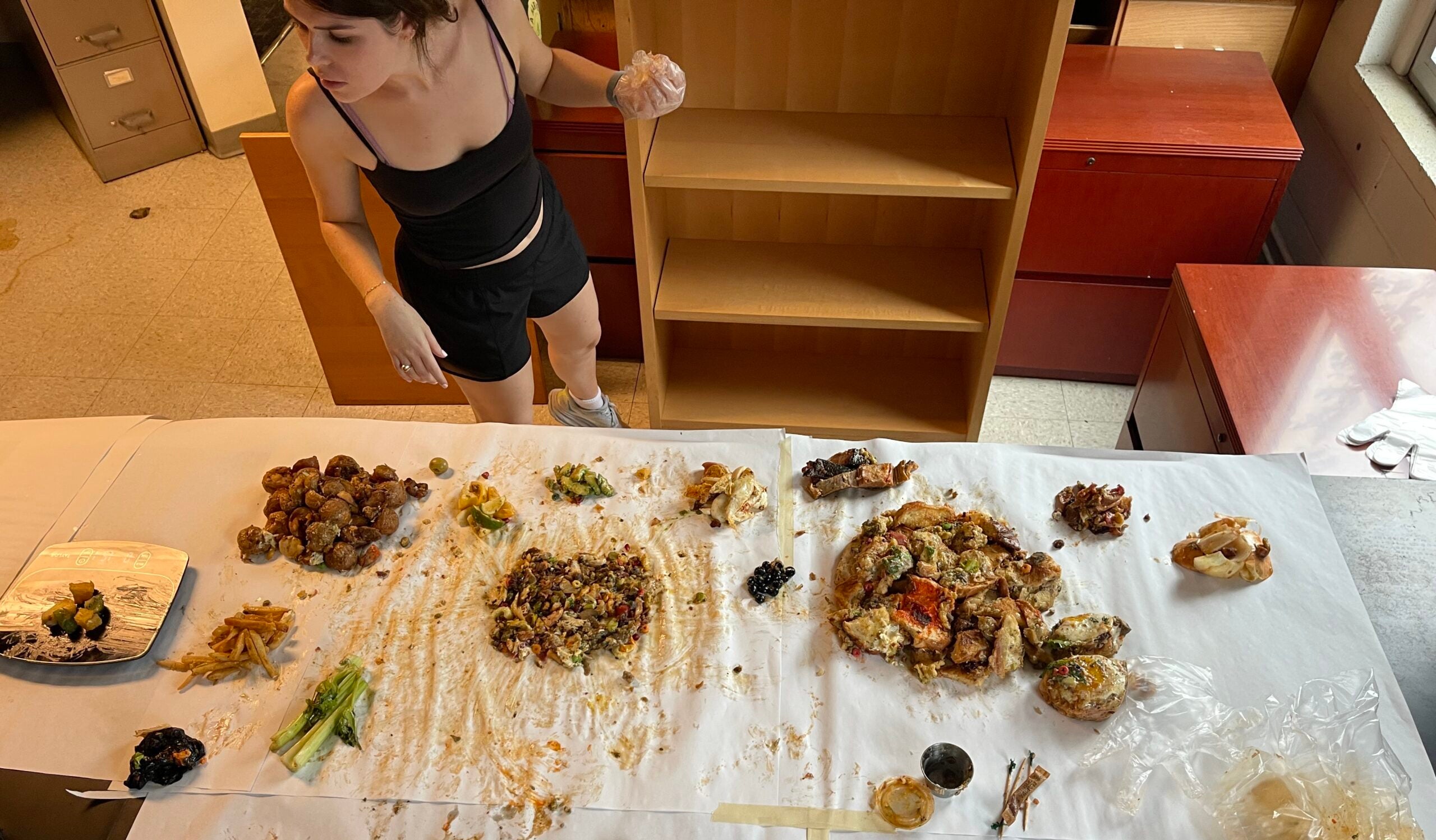
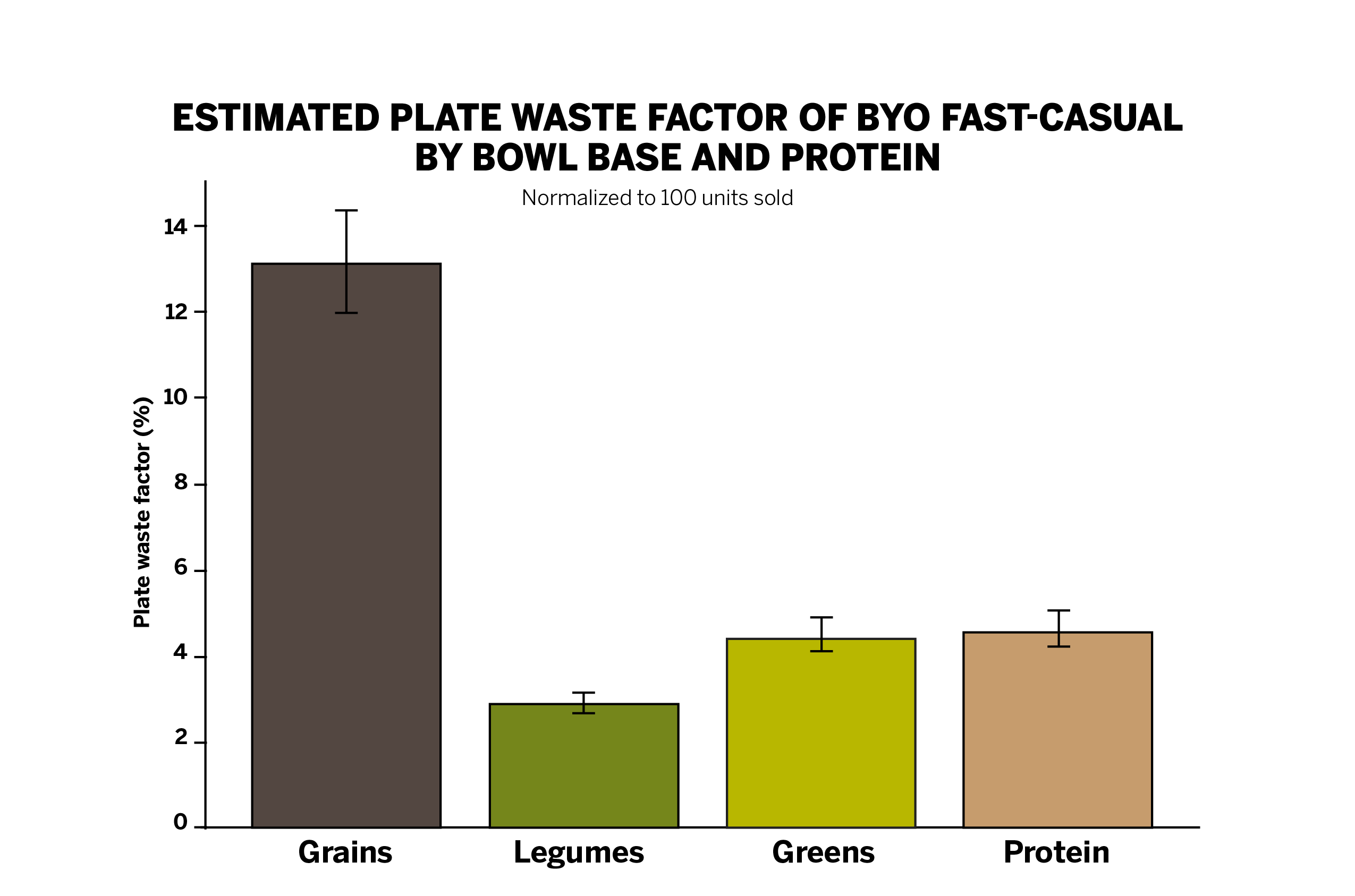
The Georgetown-based research, led by Dr. Gina Green—academic co-director of the MS in Climate, Environment and Health and professor of the practice in the Earth Commons—analyzed the current state of food waste management to uncover opportunities to reduce food waste by offering customizable portions in retail foodservice environments. The study combined expert interviews and surveys, in-house food waste audits at four popular locations in the Washington, D.C., metropolitan area, and a detailed cost analysis and projection modeling. The researchers found that nearly 70% of restaurant food waste stems from food that is prepared, served, and never eaten, revealing that front-of-house plate waste represents a major blind spot in food waste reduction initiatives.
11Expert interviewsConducted with foodservice operators and experts
70Menus analyzedIncluding the leading 8 of 10 top US chains
20survey respondentsfrom commercial and non-commercial scaled foodservice operations
4In-house locations auditedIn the Washington, DC metropolitan area
Nearly one-third of all food is wasted. So with restaurants, what does that mean? That means land use is a real issue. The water that it takes to grow the crops is a real issue. The transportation, the emissions are real issues. Methane is created from the organic waste that’s thrown into the landfill. That all has an impact on the environment.
The researchers developed concrete steps foodservice operators can take to reduce food waste:
Set food waste reduction targets.
Start by establishing clear, measurable goals for reducing FOH waste based on benchmark data—for example, set a target to reduce plate waste by 20% over the next year. Specific targets guide the work, facilitate progress tracking, and provide opportunities to celebrate successes along the way.
Track FOH food waste.
Conduct simple waste audits—even manual ones—to help identify which dishes and ingredients end up in the FOH trash most often. Use these insights to adjust menus, test portion customization, or make takeout containers more accessible. Even a few days of tracking can reveal patterns that reduce costs over the long term.
Adapt menus to appeal to evolving customer preferences.
Today’s diners want more control over their meals. Consider offering half-portions, smaller plates, build-your-own meals, smaller initial portions with free refills, or à la carte sides instead of a single default option, so customers get only what they actually want to eat. Consider reducing heavier entrée portion sizes and starchy side amounts, and reduce menu items that rarely sell and incur high waste-management and inventory costs.
Embed food waste reduction in employee-customer interactions.
Train staff to ask simple questions such as, “Would you like [fries, fruit, potatoes, sauce] with that, or would you prefer to skip the side or sauce?” or “Can I get you a container for leftovers?” These small conversations empower customers to make better choices, reduce waste, and provide valuable feedback to the restaurant operator about what’s working—and what’s not.
Market portion and meal changes to highlight customer satisfaction.
Frame customizable portions positively. Emphasize choice, freshness, and value, putting customers in the driver’s seat to optimize the value of their meal. Deciding on their portion and what is included on the plate alongside transparent pricing and messaging can make them feel good about their choices, not shortchanged, and build trust and loyalty.
Researcher Reflections
“Most restaurant teams have yet to embrace portion customization for adult dinners, representing a missed opportunity to meet evolving consumer preferences and capture the growing market of health-conscious consumers.” – Gina Green, Professor of the Practice, the Earth Commons; Academic co-director, MS in Climate, Environment & Health
“Portion strategy sits at the intersection of health, sustainability and business performance. When restaurants align portion structure with how people are actually eating today, they can reduce waste, control costs and maintain the guest experience.” – Laura Ferry, Portion Balance Coalition, Georgetown McDonough’s Business for Impact
“We were able to say, ‘On average for every potato sold, this is how much is wasted. It’s helping businesses spend their money in a way that’s more effective, while also helping the planet.” – Andrea Morante Cebrecos (G’25)