
When restaurants align portion structure with how people are actually eating today, they can reduce waste, control costs, and maintain the guest experience. That alignment is measurable and actionable.
– Dr. Gina Green, the Earth Commons
Is Plate Waste Eating Profit Margins? Research Insights into Reducing Restaurant Food Waste
At a time when rising food costs, shifting consumer appetites, and mounting sustainability pressures are converging on the restaurant industry, research reveals that one of the most overlooked profit levers may be hiding in plain sight: what’s left on the plate.
A new white paper, Customizable Portions: A Cost-Conscious Approach to Reducing Plate Waste, led by the Earth Commons Institute and Georgetown University’s Business for Impact Portion Balance Coalition, makes a data-driven case for rethinking portion size as a strategy to cut waste, improve financial margins, and better meet evolving consumer demand for smaller portion options.
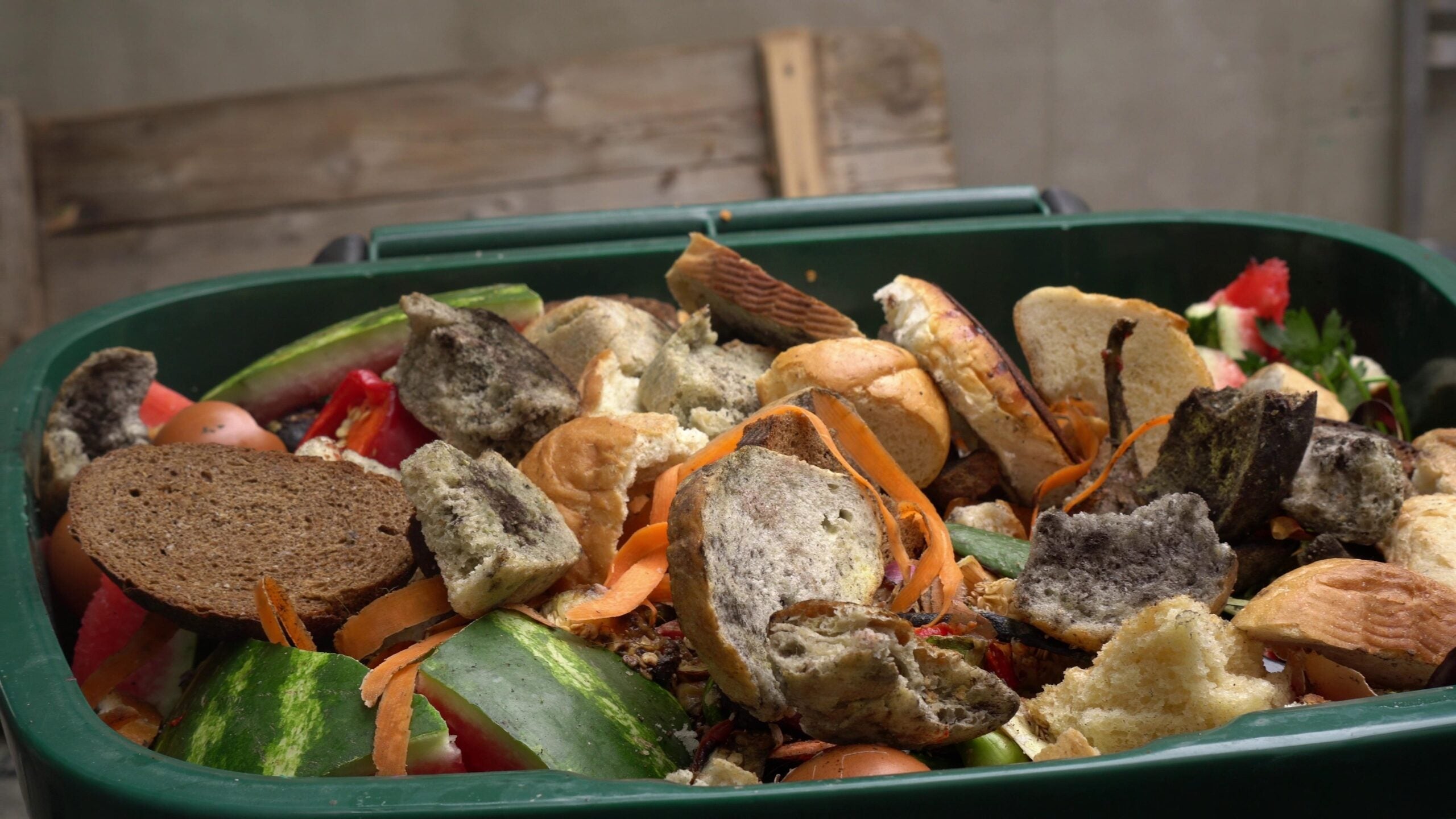
The paper, which was created in collaboration with Menus of Change University Research Collaborative and supported by ReFED, shifts the food waste conversation from the kitchen to the dining table, finding that nearly 70% of restaurant food waste stems from food that is prepared, served, and never eaten.
Hidden Costs and Market Shifts
Historically, restaurants have concentrated food waste efforts on back-of-house operations, but the research suggests that front-of-house plate waste represents a major blind spot. According to the white paper’s findings, in 2023 alone, restaurants and foodservice operators generated 12.7 million tons of surplus food in the United States, contributing to 64.6 million metric tons of carbon emissions. The financial impact is equally staggering: $162 billion in annual waste-related costs, including food, packaging, labor, and disposal. Yet only 20% of surveyed operators report tracking what customers leave on their plates.
“Our findings demonstrate that front-of-house waste represents a controllable food cost. When operators measure plate-level waste, they uncover patterns tied to default portions and bundled sides,” noted Gina Green, professor of the practice in the Earth Commons, faculty director of the MS in Climate, Environment & Health, and principal investigator for the research behind the paper. “Modest adjustments through customization and right-size options can reduce recurring waste while maintaining customer satisfaction. This is a business opportunity hiding in plain sight.”
That gap matters because by the time food reaches a customer’s table, the restaurant has already absorbed the full cost of ingredients, labor, and preparation. Every untouched side of fries, uneaten bowl of rice, or half-finished entrée represents revenue that has already been lost.
At the same time, consumer preferences are rapidly evolving. The industry stands at a pivotal moment. Nearly half of diners say they have been surprised by oversized portions, and 59% report they would be more likely to visit restaurants offering flexible portion sizes. Additionally, the rise of GLP-1 medications, used by an estimated 12% of U.S. consumers, is reshaping dining habits, with many users consuming fewer calories and seeking smaller, lighter meals when eating out.
Yet among 70 major restaurant chains analyzed in the study, only 43% offer any form of portion customization — such as excluding sides and offering multiple portion sizes — and just 18% provide build-your-own options for adults beyond children’s menus.
For an industry long defined by abundance and value perception, this poses a risk and an opportunity.
The Customizable Portions Project
This white paper analyzed the current state of food waste management to uncover opportunities to reduce food waste by offering customizable portions in retail foodservice environments.
70Menus analyzedIncluding the leading 8 of 10 top US chains
20Survey respondentsFrom commercial and non-commercial scaled foodservice operations
4In-house locations auditedIn the Washington, DC metropolitan area
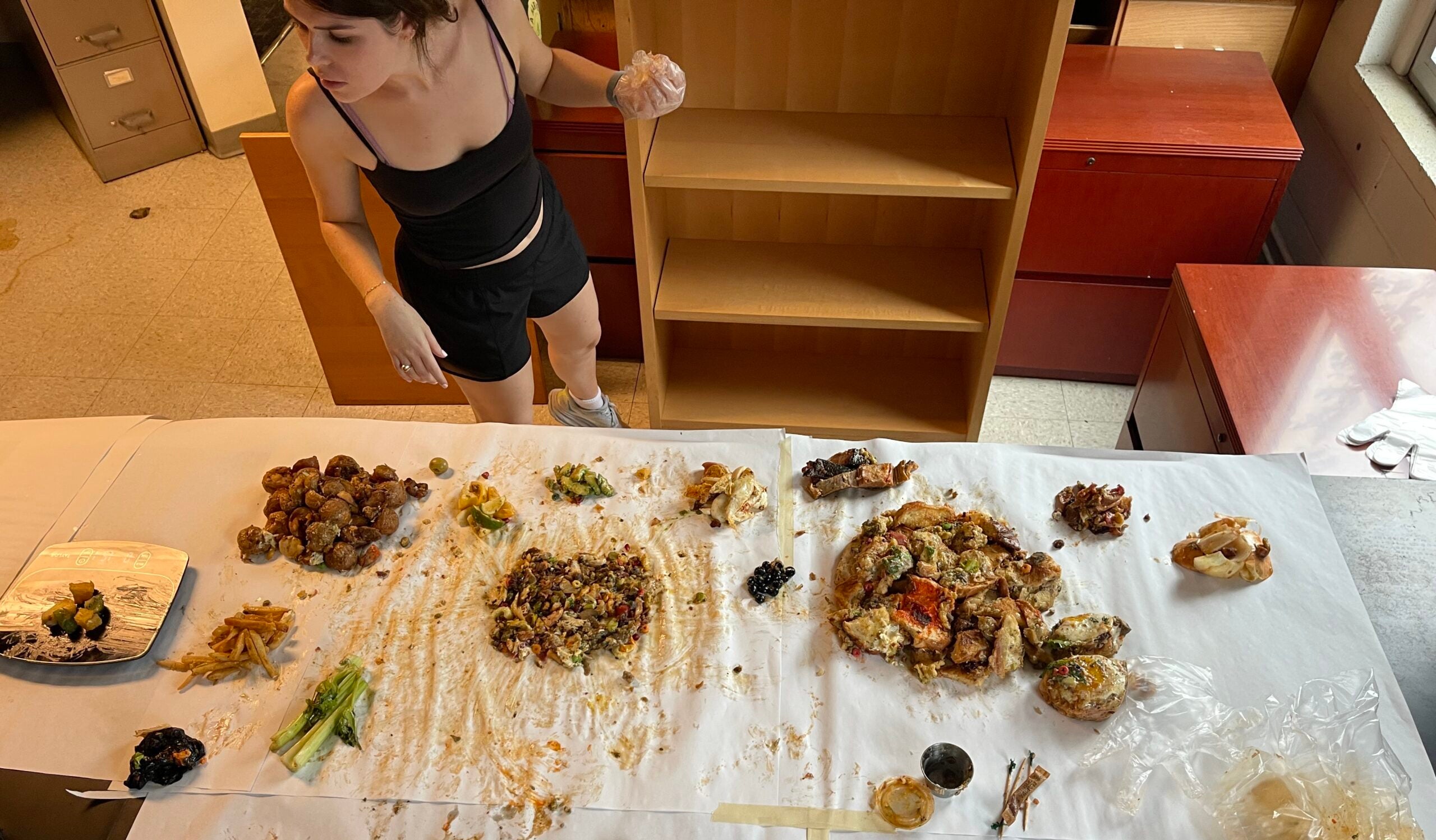
In addition, the study combines 11 expert interviews and In-house food waste audits at four popular restaurant locations in the Washington, D.C., metropolitan area, combined with a detailed cost analysis and projection modeling. Thought leaders assessed post-consumption plate waste, identified consumer behavior trends and findings, and developed cost-efficient recommendations to optimize portion offerings and reduce losses.
Rather than positioning portion flexibility solely as a sustainability initiative, the report frames it as a margin strategy: in this context, waste reduction becomes not only an environmental imperative but a competitive advantage.
When restaurants align portion structure with how people are actually eating today, they can reduce waste, control costs, and maintain the guest experience. That alignment is measurable and actionable.
Laura Ferry, Portion Balance Coalition, Georgetown McDonough’s Business for Impact
“This study reinforces what we’ve long believed at Georgetown’s Portion Balance Coalition: portion strategy sits at the intersection of health, sustainability, and business performance,” said Laura Ferry, senior director of the Portion Balance Coalition under Georgetown McDonough’s Business for Impact. “When restaurants align portion structure with how people are actually eating today, they can reduce waste, control costs, and maintain the guest experience. That alignment is measurable and actionable.”
A Practical Roadmap for Action
The white paper outlines a five-step roadmap to reduce client-driven food waste:
- Measure front-of-house waste by:
- Establishing a baseline for food waste through regular audits
- Using low-tech/manual sorting during peak hours or AI-powered tracking to automate data collection
- Idenitfy high-waste dishes
- Redesign menus or make dish modifications by:
- Introducing customizable sizing
- Making sides optional
- Removing low-volume, unpopular menu items
- Optimize pricing through:
- Using tiered pricing for different portion sizes
- Pricing smaller portions fairly
- Train employees to offer customers choices by:
- Providing practical tools
- Practicing customer interactions through micro-trainings
- Creating feedback loops
- Suggest marketing approaches, such as:
- Framing portion sizing as customer choice
- Emphasizing sustainability language
- Utilizing clear, positive language about portion sizing, impact metrics, and successful strategy outcomes
In an industry where margins are thin and consumer expectations are evolving, the ability to offer right-sized portions may represent both a financial safeguard and a reputational edge while keeping customer satisfaction top of mind. The full report provides detailed audit findings, financial modeling, case examples, and actionable recommendations.
Read Customizable Portions: A Cost-Conscious Approach to Reducing Plate Waste to explore how smarter portion design can transform plate waste into measurable savings, and position organizations at the forefront of responsible, profitable food service innovation.
This project was completed in collaboration with Menus of Change University Research Collaborative, a joint initiative of the Culinary Institute of America and Stanford University, and financially supported by ReFED.
More ECo Research

All, Announcements, Scholarship, University Stories
High Seas at Risk: Study Finds Global Fisheries Governance Lagging Behind What’s Possible

Common Home Series, ECo Impact Funding, University Stories
ECo Awards are supporting big questions and bigger answers, on and off campus

About Portion Balance Coalition
The Portion Balance Coalition, led by Business for Impact at Georgetown University’s McDonough School of Business, is a cross-sector initiative that brings together CPG companies, foodservice operators, academic researchers, nonprofits, and government agencies to study how portion size, energy density, and meal or product design shape eating patterns and food waste. It translates satiety and portion-size science into practical strategies across the food system, including research that informs right-sized portions and menu architecture in restaurants to help reduce plate waste, and collaborations with CPG partners to apply portion-balance principles to product formats and design.
About Georgetown University’s Earth Commons Institute
The Earth Commons — Georgetown University’s Institute for Environment & Sustainability — accelerates education, research, and service to address the world’s most pressing environmental challenges. Through interdisciplinary degrees, solutions-driven research, global sites, and impactful initiatives, the Earth Commons is equipping leaders to care for our common home by putting knowledge into ethical action.
About Menus for Change University Research Collaborative (MCURC)
The MCURC is a global network of forward-thinking scholars, foodservice leaders, executive chefs, and administrators for colleges and universities who are accelerating efforts to move people toward healthier, more sustainable, and delicious foods using evidence-based research, education, and innovation. We use campus dining halls as living laboratories for behavior change. Spanning 77 institutions and over 400 members, and jointly led and co-founded by The Culinary Institute of America and Stanford University, together our vision is cultivating the long-term well-being of all the people and the planet — one student, one meal at a time.
About ReFED
ReFED is a national nonprofit working to end food loss and waste across the food system by advancing data-driven solutions to the problem. We leverage data and insights to highlight supply chain inefficiencies and economic opportunities; mobilize and connect supporters to take targeted action; and catalyze capital to spur innovation and scale high-impact initiatives. Our goal is a sustainable, resilient, and inclusive food system that optimizes environmental resources, minimizes climate impacts, and makes the best use of the food we grow. To learn more about our solutions to reduce food waste, please visit www.refed.com.