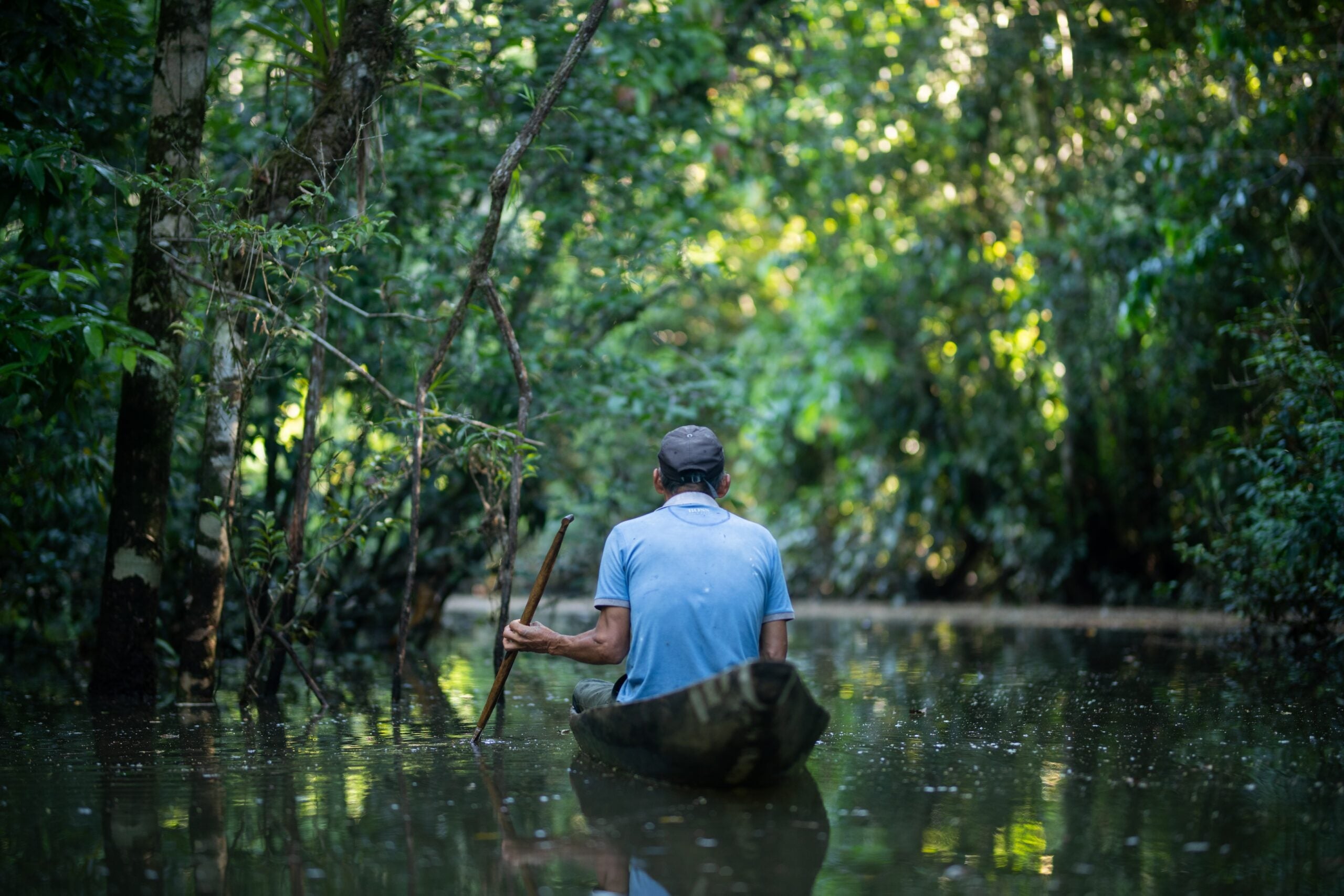
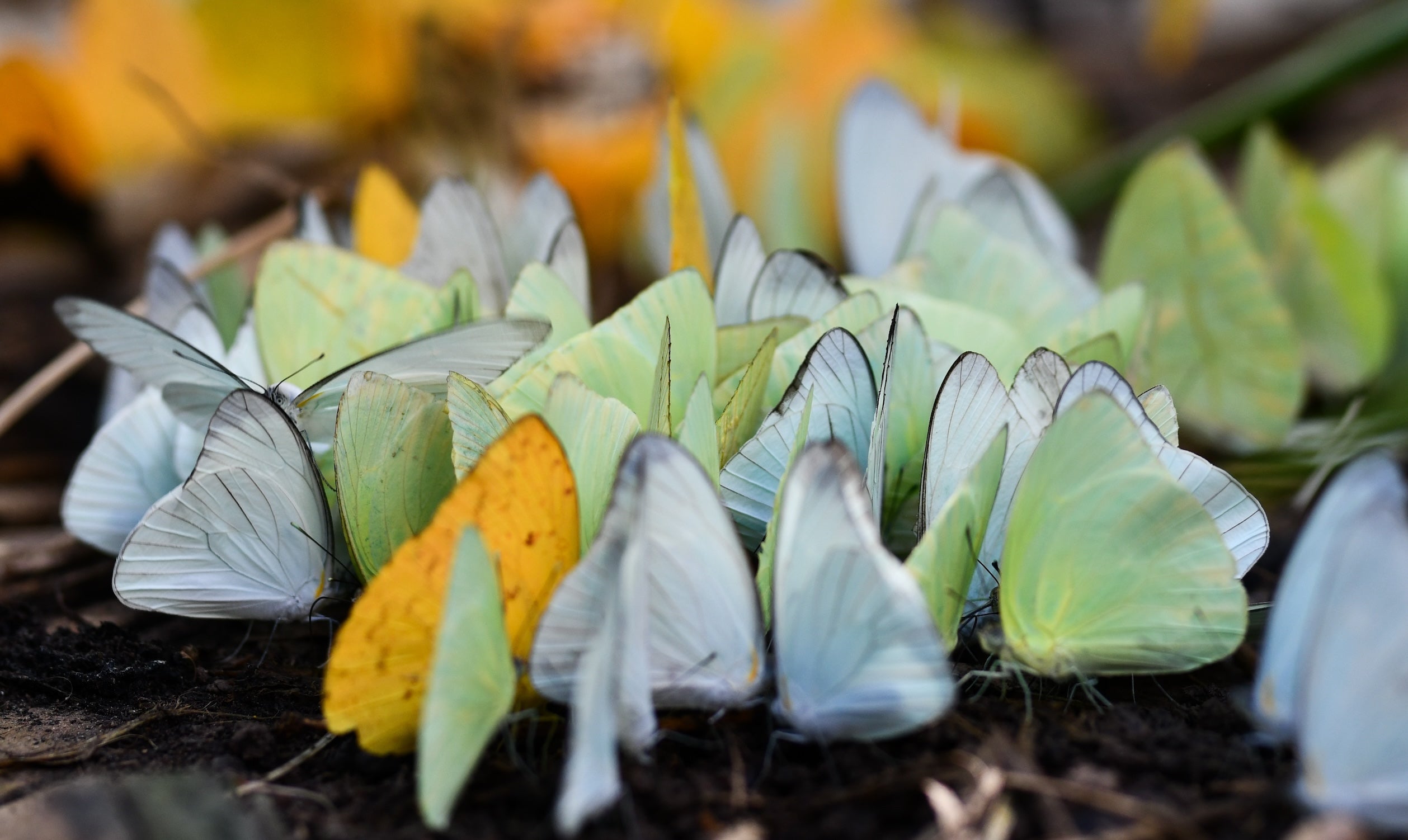
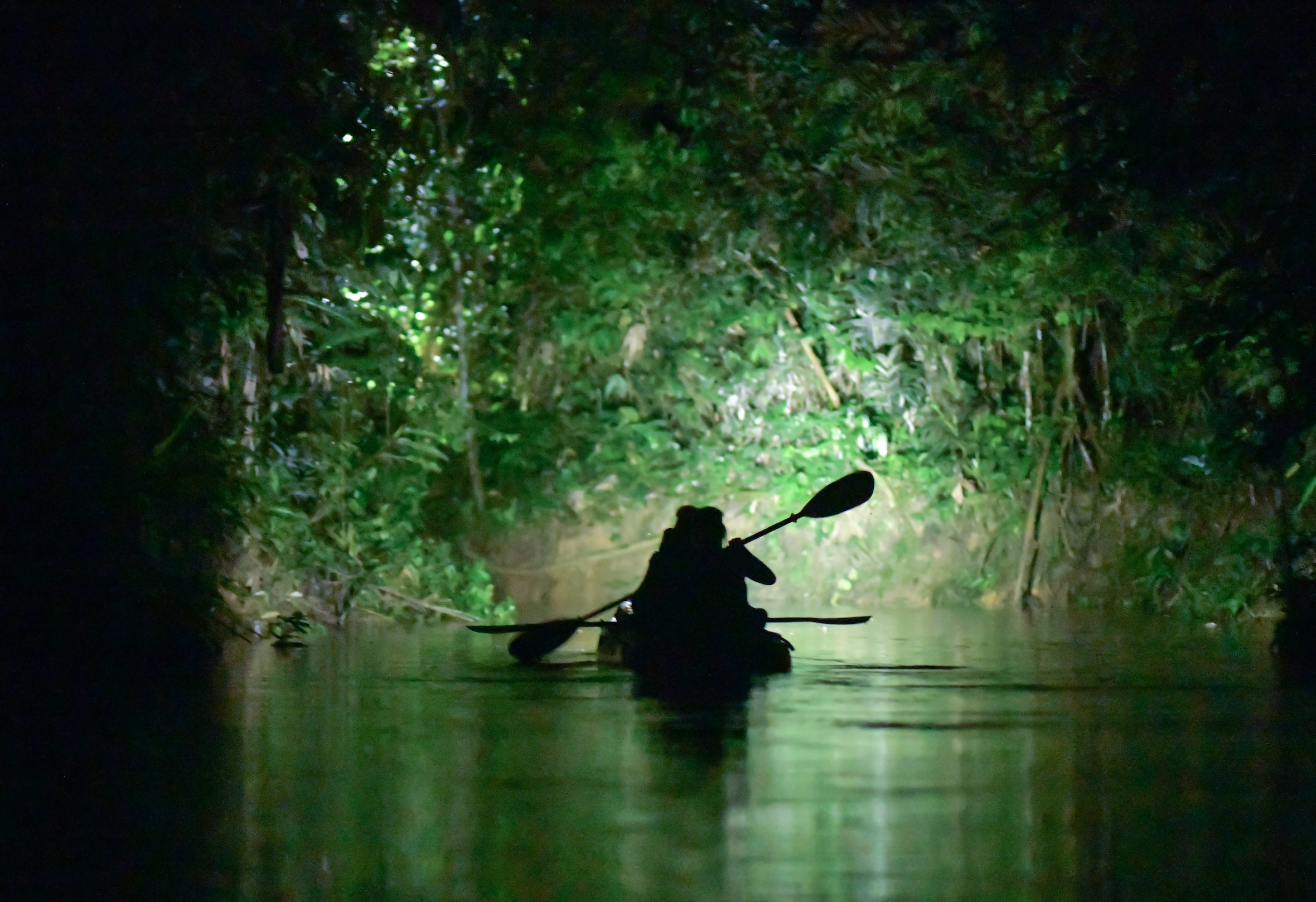
Dr. Brian M. Griffiths’ Mammal Conservation Lab at The Earth Commons Institute of Georgetown University investigates the ecology of Amazonian mammals and how those species may support traditional livelihoods under sustainable management.
Disciplines
Ecology and Conservation Biology
Mammal behavior, population dynamics, ecosystem interactions
Anthropology
Indigenous knowledge systems, cultural practices, community-based conservation
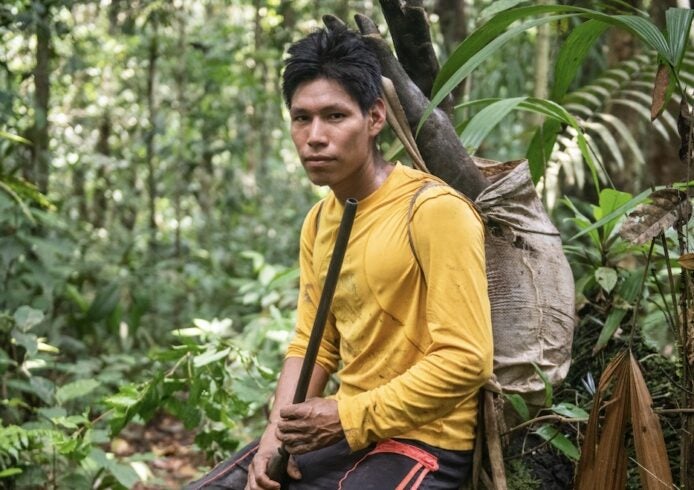
By working closely with Indigenous Maijuna communities in the Peruvian Amazon, Dr. Brian M. Griffiths, an Assistant Teaching Professor at the Earth Commons, studies mineral licks—critical wildlife resources—and examines how traditional hunting practices, cultural values, and local conservation efforts influence biodiversity. By combining field ecology, community engagement, and interdisciplinary methods, their work aims to advance conservation strategies that respect cultural knowledge, sustain wildlife populations, and inform global environmental solutions.
Impact areas
Biodiversity ConservationProtecting Amazonian wildlife and ecosystems through culturally informed strategies
Sustainable Resource ManagementSupporting community-driven approaches to hunting and habitat stewardship
Cultural Preservation & Community Well-BeingElevating Indigenous voices and knowledge for equitable conservation outcomes
Climate Change ResiliencePreserving intact ecosystems that regulate carbon and climate processes
Where we work
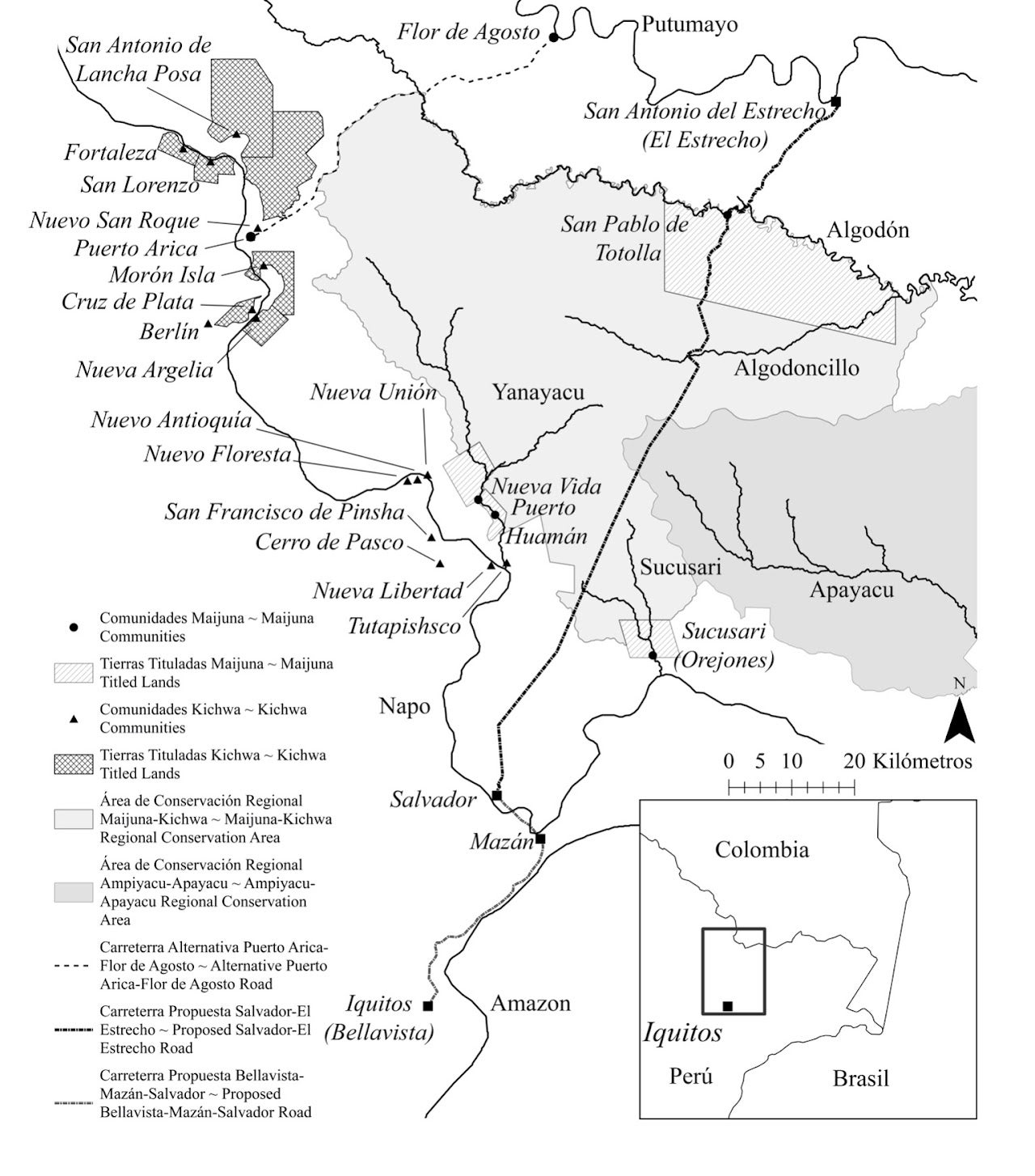
The lab is focused on the Maijuna-Kichwa Regional Conservation Area (MKRCA) in the Peruvian Amazon. The region lies in the Napo-Putumayo corridor, northeast of the city of Iquitos, the capital of the Department of Loreto in Peru.
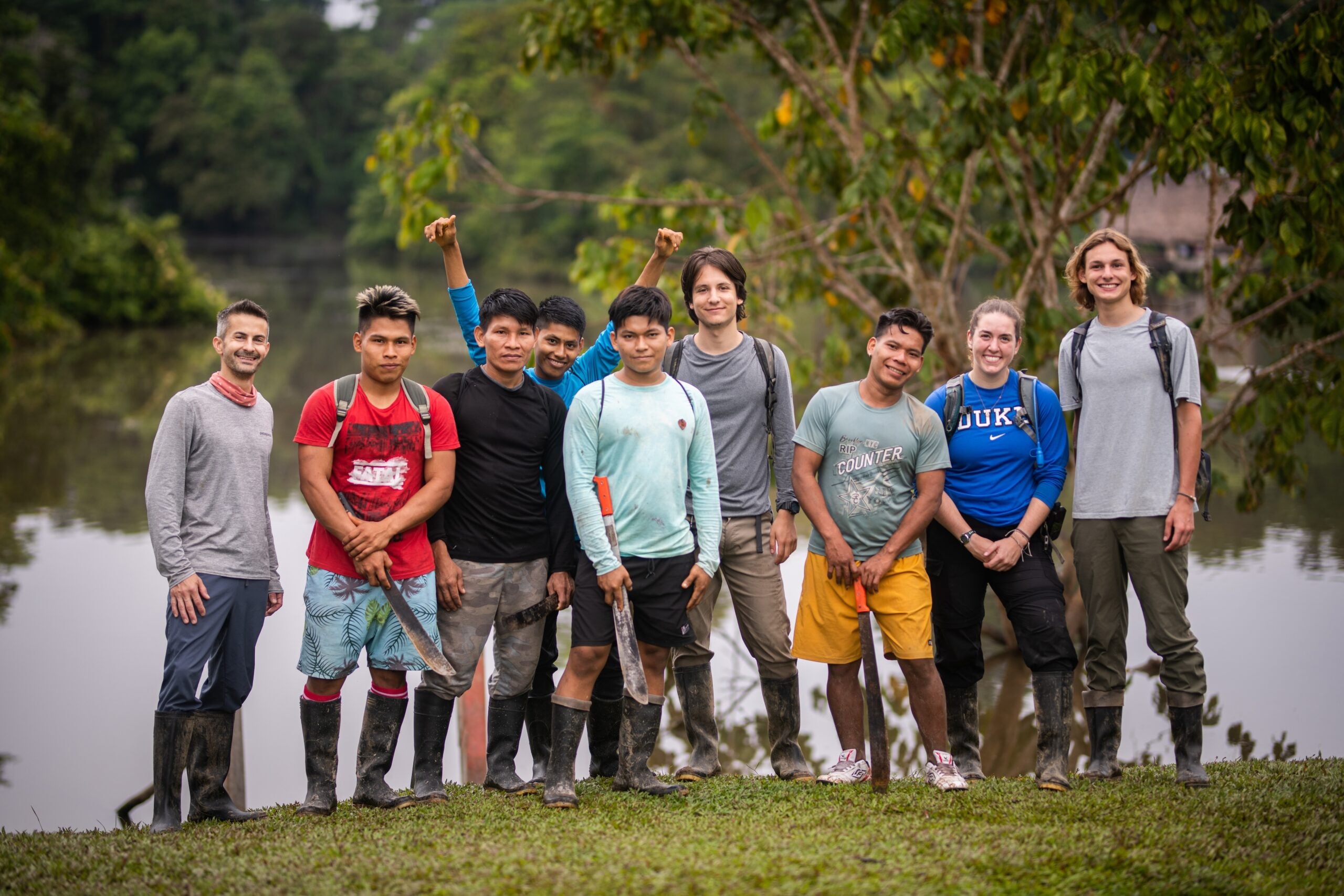
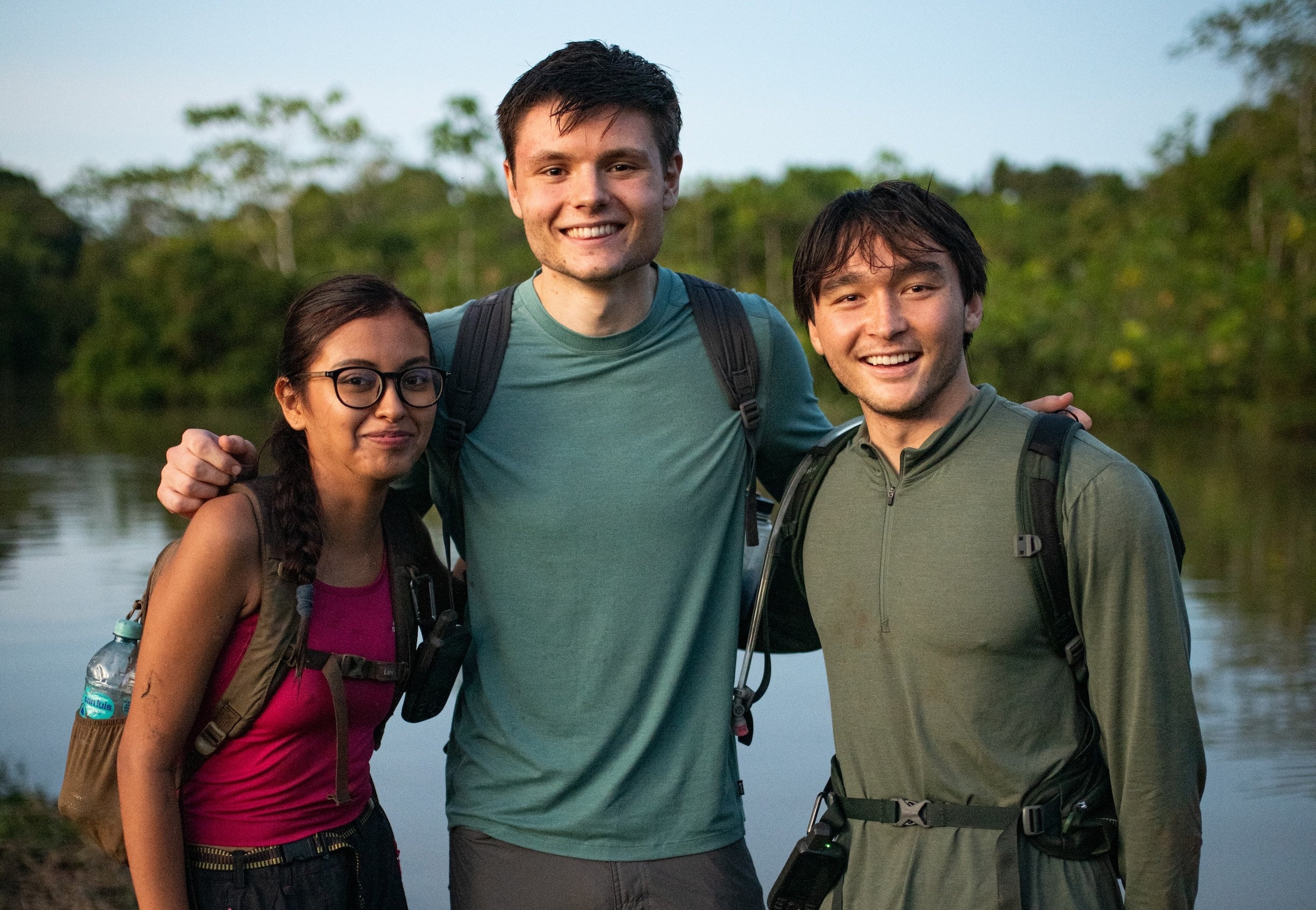
Stephane Granato (SFS ‘24), Sumner Spence (C ‘26), and Nathan van Doorn (C ‘28) prepare to head out on the trail to set camera traps and collect soil samples with a team of Maijuna hunters.
Slide2 of 6
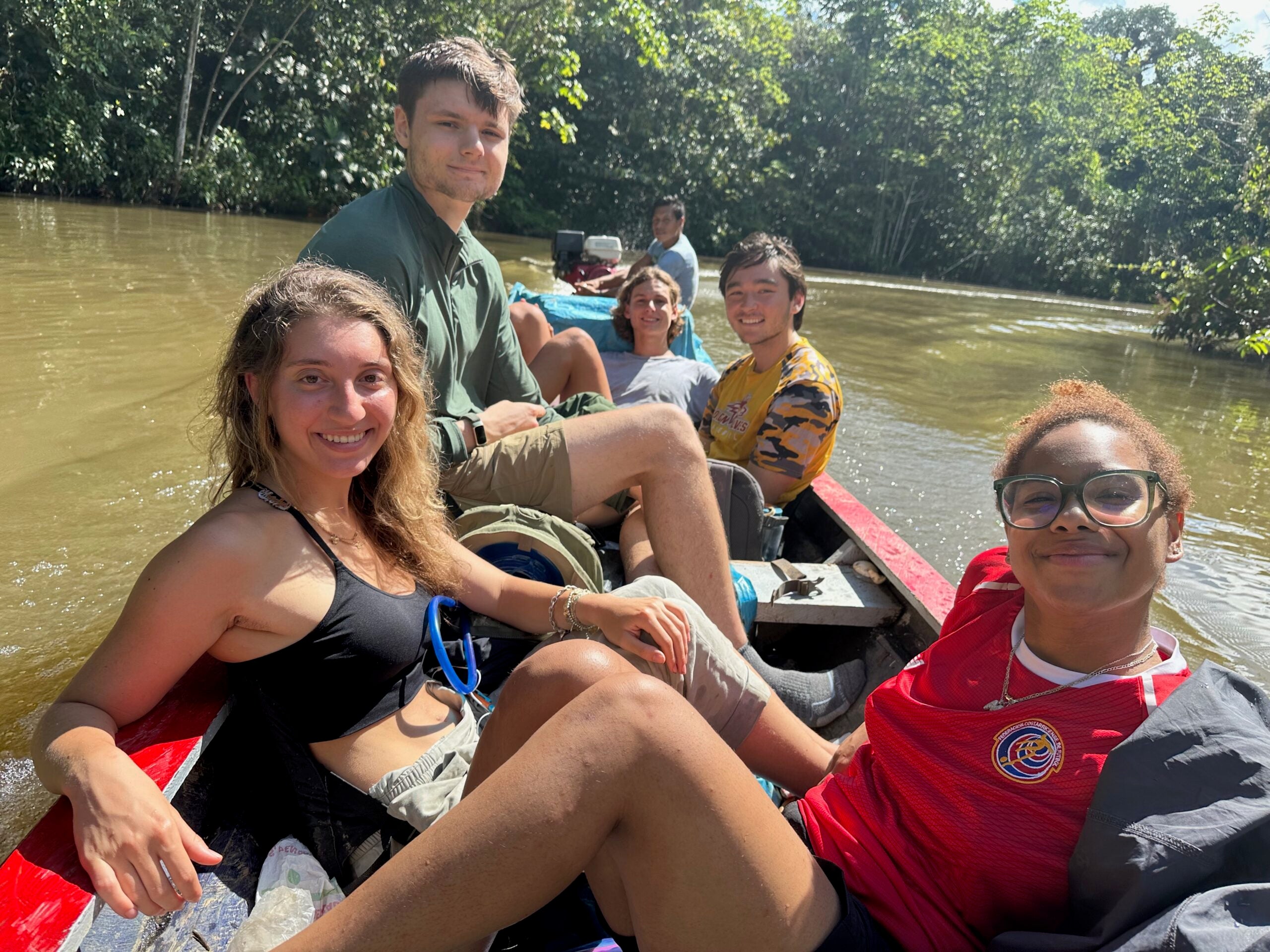
Julia Revill (SFS ‘27), Vrianelys Mejia (C ‘27), John Henry Lotz-McMillen (C ‘26), Nathan van Doorn (C ‘28) and Isaac Peterson (Alvernia University) heading back to base camp after four long days camping deep in the forest, setting camera traps every day.
Slide3 of 6
John Henry Lotz-McMillen (C ‘26), Isaac Peterson (Alvernia University), and Luana Sánchez (La Universidad Nacional Amazónica de Madre de Dios) return from the trail setting camera traps at sunset.
Slide4 of 6
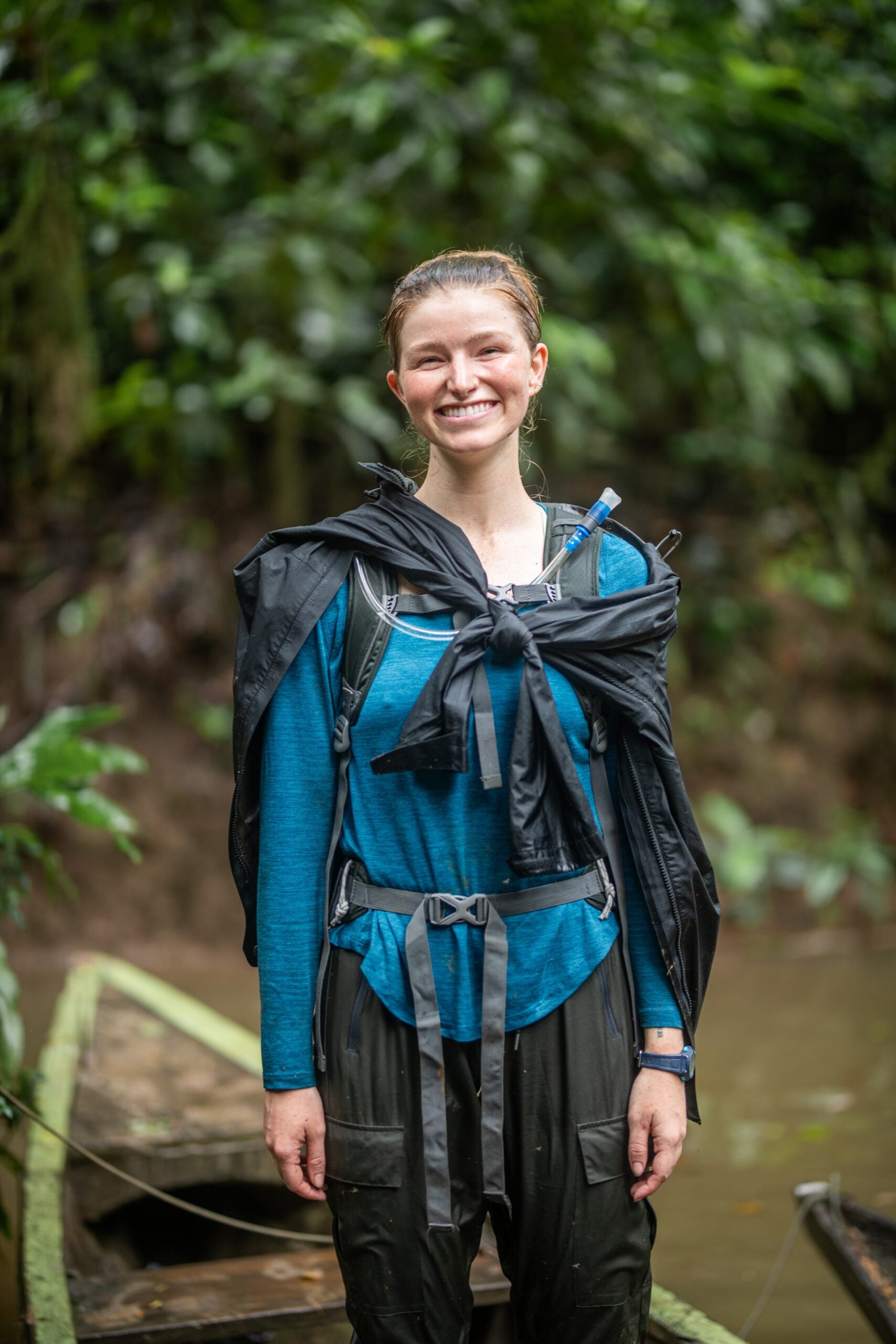
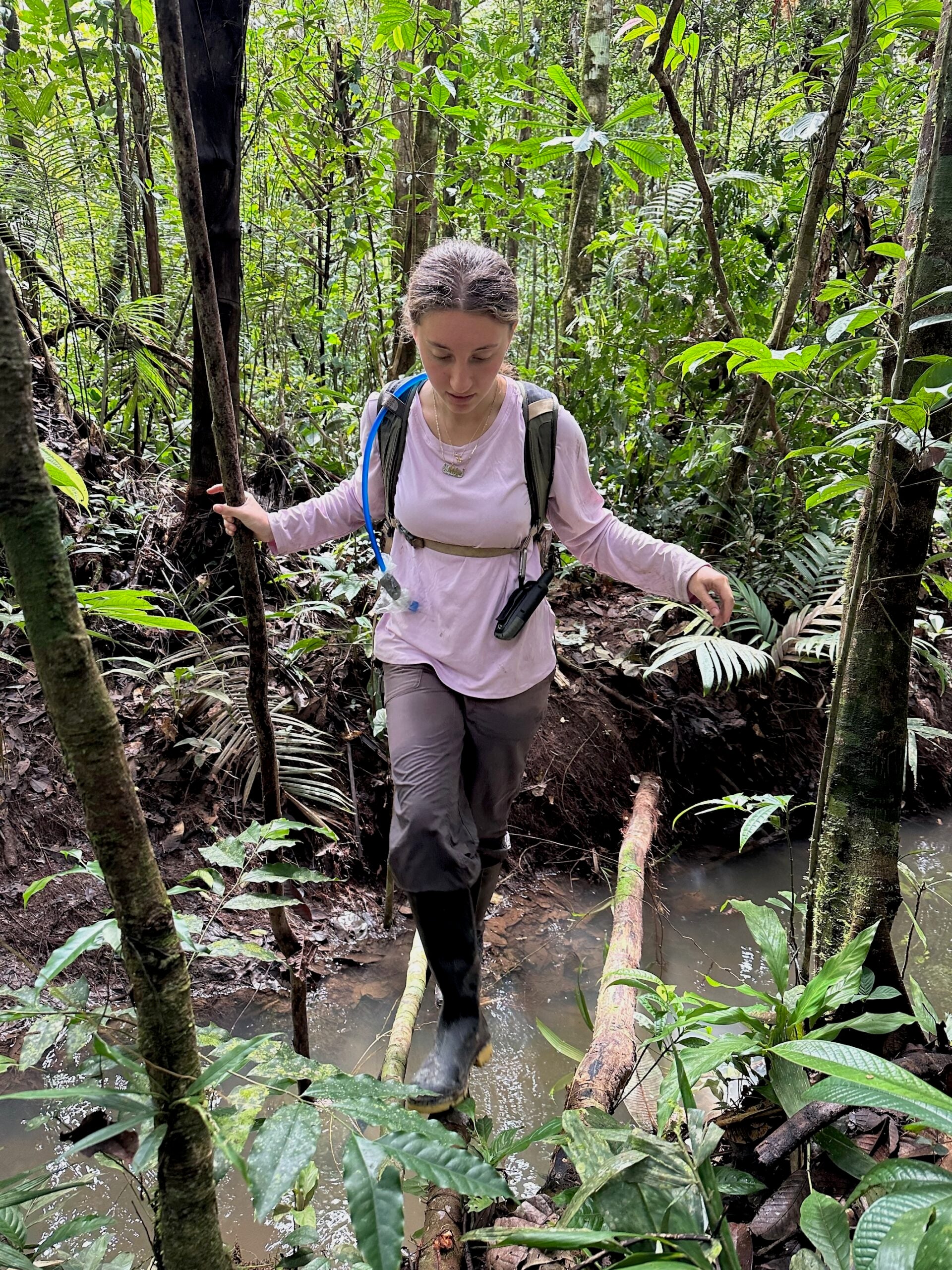
Julia Revill (SFS ‘27) crosses a hastily-made bridge of branches on the trail to set camera traps.
Slide5 of 6
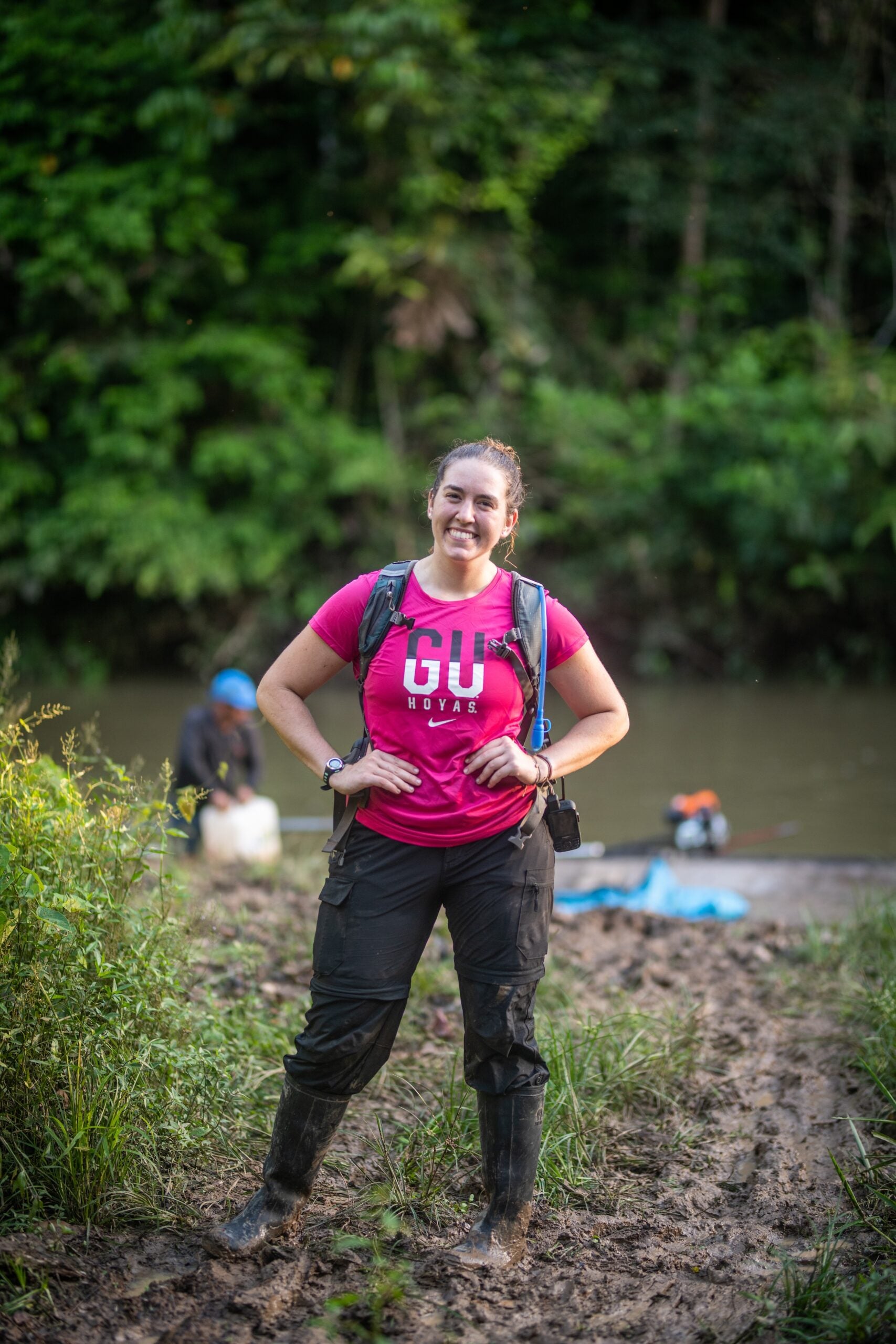
Sumner Spence (C ‘26) gets back to camp after a rough day of hiking through swamps setting camera traps.
Slide6 of 6
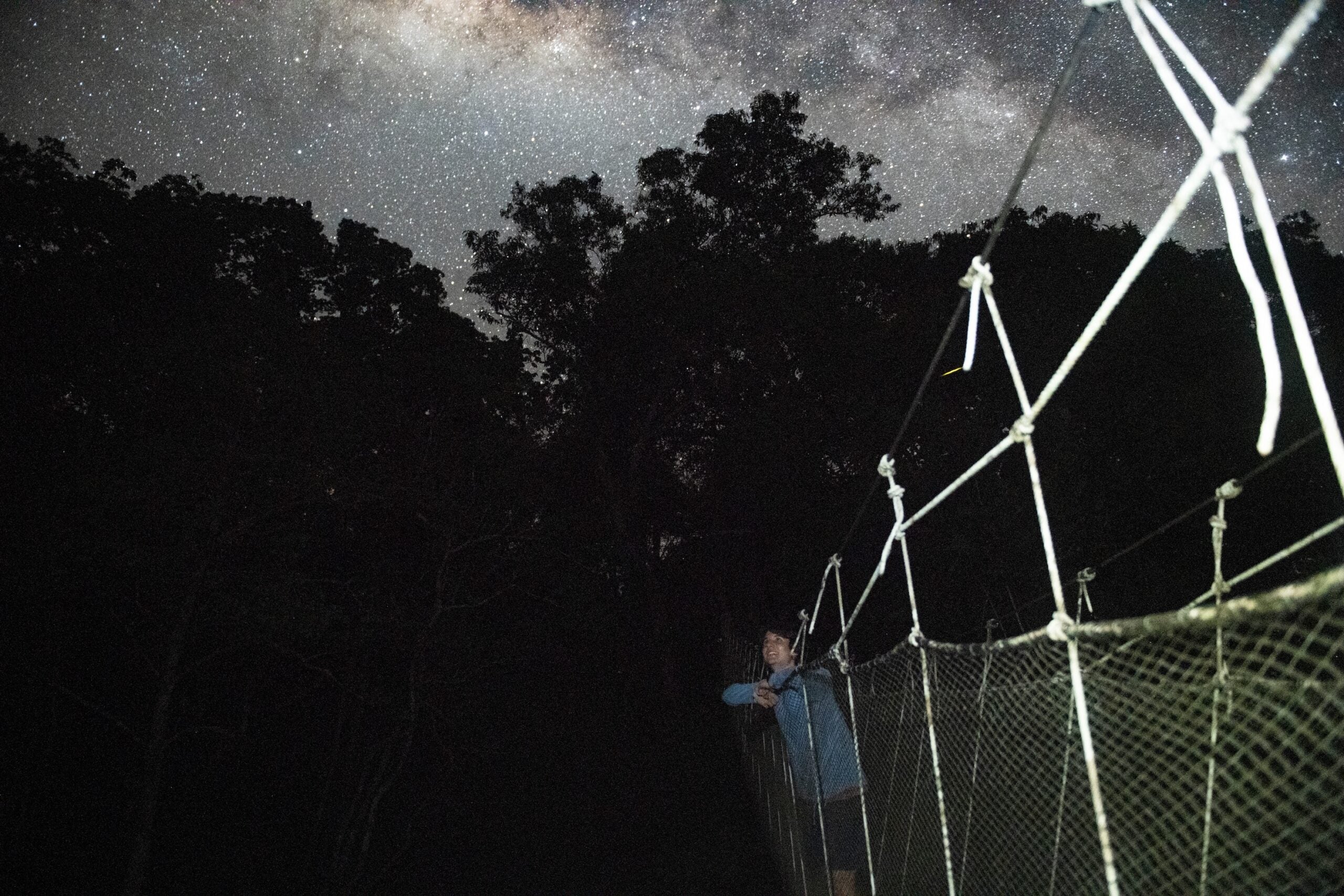
Stephane Granato (SFS ‘24) admires the starscape of the Amazon from a canopy walkway bridge after a long day on the trail setting camera traps.
In a reflection on immersive learning in Mexico’s Yucatán Peninsula, Zoe Gutherman shares how field research, cultural exchange and hands-on conservation experiences deepened her understanding of sustainability — revealing how learning beyond the classroom can transform perspective and purpose.
The literature review reveals that Maijuna sociocultural systems, including territorial hunting norms, seasonal mobility, food-sharing practices, and species-specific taboos, may function as informal management institutions that distribute hunting pressure and limit overexploitation.
These results suggest armadillos are both widespread and resilient, supported by their unique reproductive strategy of producing four genetically identical offspring per pregnancy. Promoting subsistence use of resilient species like armadillos could enhance local food security while reducing pressure on vulnerable taxa, aligning conservation and livelihood goals in Amazonian communities.
August 30, 2025
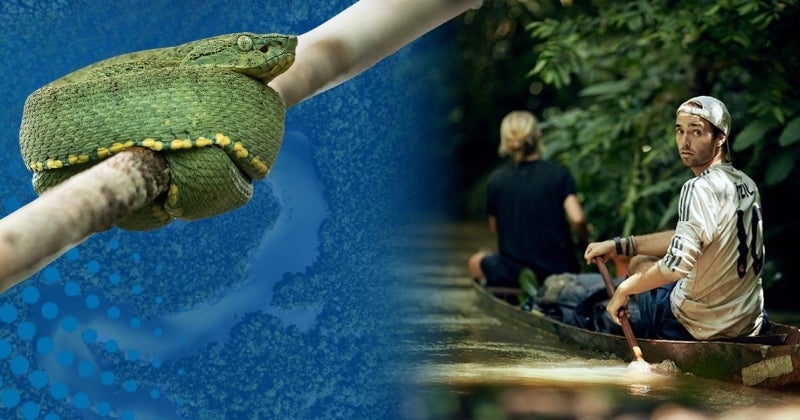
Leading a research expedition of 25 researchers, conservationists and Maijuna experts to the heart of the Peruvian Amazon demands exhaustive planning, and every morning I’m still amazed when the reality of where I am hits me.
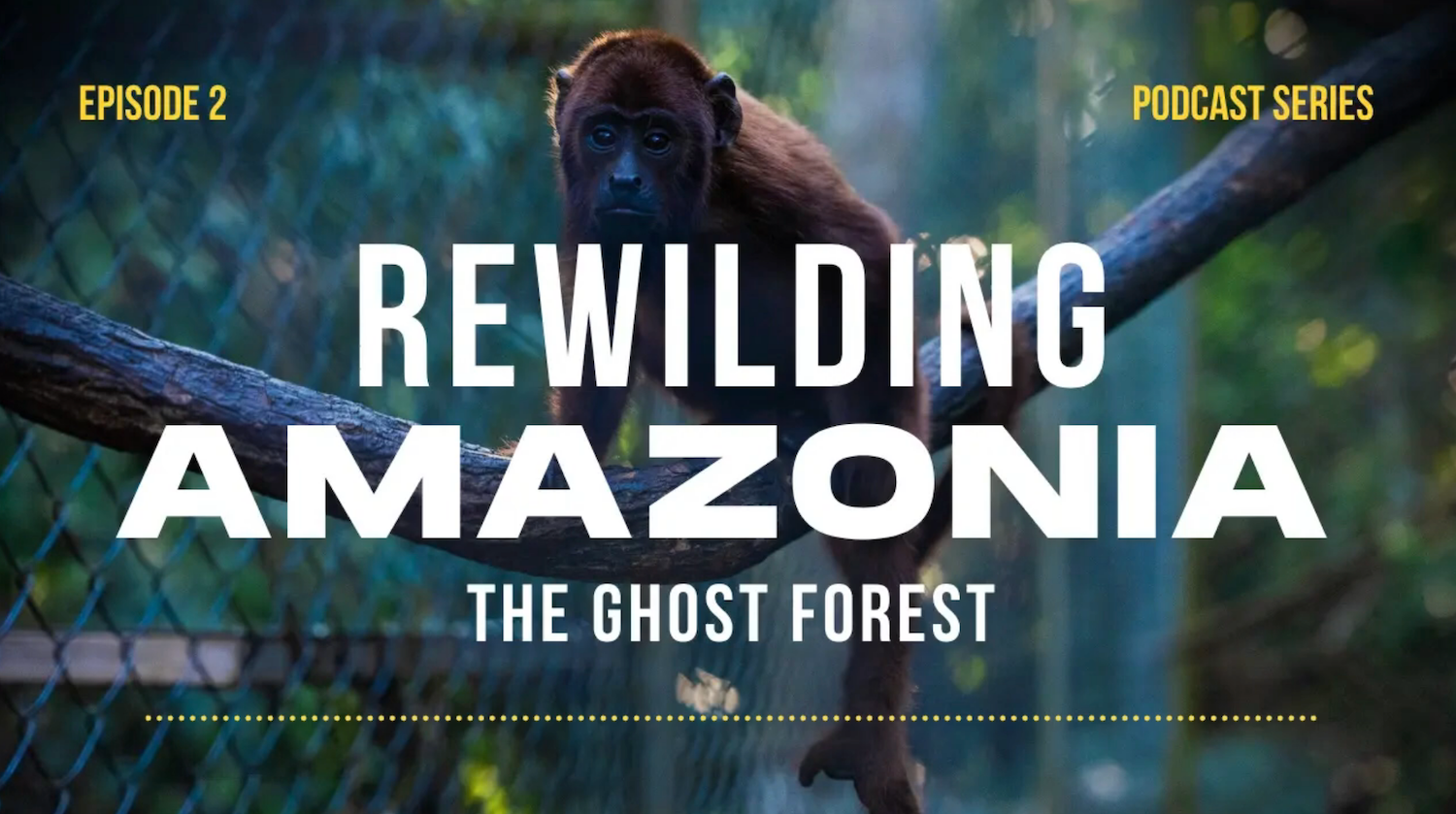
What is required to bring wildlife back to the Amazon, and can species that have vanished from depleted forests return? In this episode of Rewilding Amazonia, I investigate the crisis of defaunation: the slow, invisible emptying of the Amazon’s wildlife that leaves forests standing but ecologically hollow.
Brian Griffiths, a Class of 2016 alumnus with degrees in plant science and environmental engineering, has made a career out of going to the Peruvian Amazon and supporting rural and Indigenous communities with wildlife management goals.